
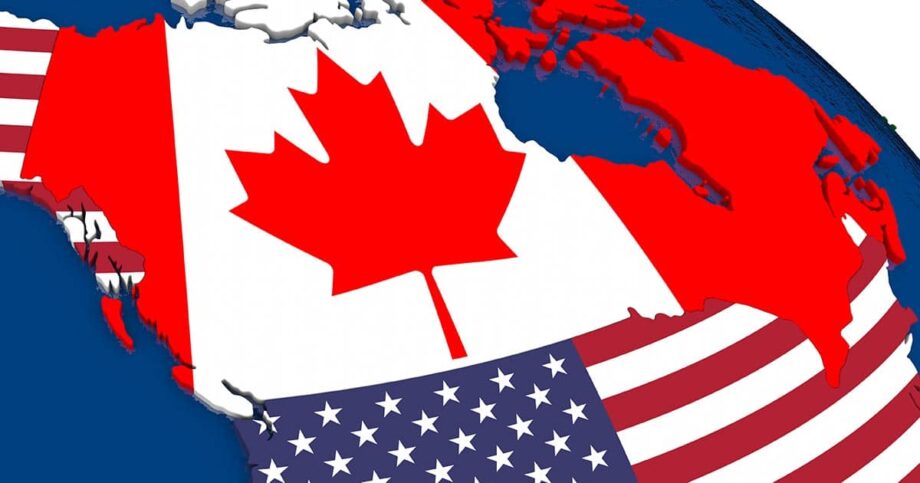
Claim Refugee Status in Canada from the US

Claim Refugee Status in Canada from the United States
Introduction
In recent years, more people living in the United States have considered seeking asylum in Canada due to changes in immigration policies, threats of deportation, or fear of persecution. Claiming refugee status in Canada from the U.S. is legally possible but complex, especially given the Safe Third Country Agreement (STCA) between the two nations. This comprehensive 2000-word guide will help you understand the steps, challenges, eligibility, and legal pathways involved in making a refugee claim in Canada if you're currently in the United States.
Understanding Refugee Status in Canada
Refugee status in Canada is granted to individuals who meet the criteria under Canadian and international law for needing protection. According to Canadian immigration law, you may be recognized as a Convention refugee or a person in need of protection.
1. Convention Refugee: Claim Refugee Status in Canada from the US
A person who:
-
Is outside their country of nationality or habitual residence
-
Has a well-founded fear of persecution due to:
-
Race
-
Religion
-
Nationality
-
Political opinion
-
Membership in a particular social group (e.g., LGBTQ+, women at risk)
-
2. Person in Need of Protection: Claim Refugee Status in Canada from the US
A person who:
-
Faces a risk to their life, risk of torture, or cruel and unusual treatment or punishment if returned to their home country
-
Cannot get state protection from that country
-
Faces risks that are not due to generalized violence or war alone
Can You Claim Refugee Status in Canada If You're in the U.S.?
Safe Third Country Agreement (STCA)
The biggest barrier for U.S.-based individuals trying to claim asylum in Canada is the Safe Third Country Agreement, in effect since 2004. This agreement requires that refugees seek asylum in the first “safe” country they arrive in — either Canada or the U.S.
In practice: If you are already in the United States, you generally cannot enter Canada at an official land border crossing to make a refugee claim. You will be turned back under this agreement.
Exceptions to the STCA: Claim Refugee Status in Canada from the US
There are important exceptions that allow some individuals to make a claim even if they are coming from the U.S.:
-
Family Member Exception
-
You have a close family member in Canada (spouse, child, parent, legal guardian, sibling, grandparent, grandchild, aunt/uncle, niece/nephew).
-
That person must be a Canadian citizen, permanent resident, protected person, or be in Canada with a pending refugee claim.
-
-
Unaccompanied Minors
-
If you are under 18, unmarried, and entering Canada alone, you may be allowed to claim refugee status.
-
-
Document Holders
-
If you have a Canadian visa, travel document, work/study permit, or other valid entry documents.
-
-
Public Interest Exception
-
Rarely used. You may qualify if your case presents exceptional humanitarian or public interest grounds.
-
-
Irregular Crossings
-
The STCA applies only at official ports of entry (border crossings). If you cross between ports of entry (irregularly), you can make a claim once inside Canada. This is legal under Canadian law, but must be done carefully to avoid criminal charges (such as human smuggling).
-
Entering Canada Irregularly to Claim Refugee Status
Many asylum seekers from the U.S. have entered Canada irregularly, notably at places like Roxham Road in Quebec (although changes to the STCA in 2023 have affected this route). As of March 25, 2023, the STCA now applies to the entire border, including unofficial crossings.
This means that even if you cross irregularly, you may be ineligible to claim refugee status unless you qualify for one of the above exceptions.
What happens if you cross anyway?
-
You may be intercepted by the RCMP (Royal Canadian Mounted Police).
-
You will be detained, screened for eligibility, and your case reviewed.
-
If found ineligible under the STCA, you may be returned to the U.S.

Legal Advice Is Critical: Claim Refugee Status in Canada from the US
Before attempting any irregular border crossing, consult a qualified Canadian immigration lawyer or refugee advocate.
Making a Refugee Claim in Canada
Once inside Canada (either by meeting an exception to the STCA or through legal entry), you can initiate a refugee claim through:
1. At the Border or Airport
If you are arriving at a Canadian airport or port of entry and not subject to STCA restrictions, inform the border officer you wish to make a refugee claim.
You will be:
-
Interviewed by a Canada Border Services Agency (CBSA) officer
-
Asked to provide documents and biometric data
-
Given instructions for your Refugee Protection Claimant Document
-
Given a date for your hearing with the Immigration and Refugee Board (IRB)
2. From Inside Canada: Claim Refugee Status in Canada from the US
If you are already inside Canada, you can apply online through the IRCC Portal.
You will need:
-
Proof of identity (passport, visa, etc.)
-
Detailed personal statement (Basis of Claim form)
-
Explanation of why you cannot return to your country
-
Supporting documents (evidence of persecution, medical records, news reports, affidavits, etc.)
Once your claim is accepted for processing, you receive the Refugee Protection Claimant Document, which allows you to:
-
Stay in Canada legally
-
Apply for a work permit
-
Access healthcare and education (through provincial programs)
The Refugee Hearing Process: Claim Refugee Status in Canada from the US
The Immigration and Refugee Board of Canada (IRB) is the independent tribunal that decides refugee claims.
Timeline
-
You will typically be scheduled for a hearing within 60 days, though delays are possible.
-
If your claim is complex or the IRB has questions, additional hearings or submissions may be required.
The Hearing
You must appear in person or by video conference before a refugee protection division member.
You will:
-
Be asked about your identity, history, and reasons for claiming asylum.
-
Present documents and testimony.
-
Be questioned by the board member and possibly a government representative.
Legal representation is highly recommended for this stage.
Outcomes of the Refugee Claim

1. Accepted
If your claim is accepted, you become a protected person. You may:
-
Apply for permanent residence.
-
Be eligible to sponsor family members abroad.
-
Live and work in Canada indefinitely.
2. Refused
If your claim is denied, you may:
-
Appeal to the Refugee Appeal Division (RAD), if eligible.
-
File a judicial review with the Federal Court.
-
Request a Pre-Removal Risk Assessment (PRRA).
-
Apply for permanent residence on Humanitarian and Compassionate (H&C) grounds.
You may face removal from Canada if all appeals fail.
Humanitarian and Compassionate Grounds (H&C): Claim Refugee Status in Canada from the US
If you are ineligible to make a refugee claim or have been denied, you may still apply for permanent residence based on H&C grounds. These applications consider:
-
How long you've been in Canada.
-
Family ties in Canada.
-
Best interests of any children involved.
-
Hardships you would face if returned to your home country.
H&C applications do not provide automatic protection from removal, so timing is critical.
Risks and Challenges of Claiming Asylum from the U.S.
-
Safe Third Country Agreement severely limits eligibility.
-
Irregular crossings can be dangerous, particularly in harsh weather.
-
Lack of legal guidance can lead to poor outcomes or deportation.
-
Detention is possible while claims are processed.
-
Delays in processing due to high volumes of claims.
-
Documentation may be hard to gather if you fled quickly or lack legal status.
Rights and Supports for Refugee Claimants in Canada: Claim Refugee Status in Canada from the US
Despite the challenges, refugee claimants in Canada have basic rights and access to services, including:
-
Legal aid (available in most provinces)
-
Work permit (once eligible)
-
Health care through the Interim Federal Health Program
-
Education for children (public schools)
-
Shelters and refugee support agencies
-
Access to community resources and interpreters
Role of Refugee Advocacy Organizations: Claim Refugee Status in Canada from the US
There are many non-profits and legal clinics in Canada that assist refugee claimants, including:
-
Legal representation
-
Settlement support
-
Housing assistance
-
Job search and language training
-
Mental health and trauma recovery services
They can help you navigate the system and present a stronger case.
Special Considerations: Claim Refugee Status in Canada from the US
LGBTQ+ Refugees
Canada recognizes LGBTQ+ individuals as a protected social group under refugee law. If you face persecution due to your sexual orientation or gender identity, you may qualify for refugee protection—even if you lived in the U.S. previously.
Stateless Individuals
If you have no nationality or are stateless, Canada considers your claim based on your habitual country of residence and the conditions there.
People with Criminal Records
You may be found inadmissible if you have serious criminal convictions. However, minor offenses or charges do not always disqualify you. Legal advice is essential.
Final Thoughts
Claiming refugee status in Canada from the United States is a difficult process, but not impossible. For individuals facing danger, persecution, or deportation, Canada remains a potential safe haven—but only under specific conditions and exceptions due to the Safe Third Country Agreement.
If you're considering this path, do not act without legal guidance. Mistakes can result in being barred from Canada or returned to a dangerous situation. Work with reputable immigration professionals, legal aid clinics, or refugee organizations to understand your options and rights.
Conclusion
Canada’s refugee system is designed to protect the most vulnerable—but also to maintain a fair and orderly process. For those in the U.S. fearing persecution, understanding the rules, exceptions, and processes involved in seeking asylum in Canada is critical. With preparation, the right support, and a valid claim, you may find a path to safety, stability, and a future in Canada.
If you are uncertain of your eligibility or next steps, seek legal advice from a licensed immigration consultant or lawyer. Canada’s refugee system can offer life-changing protection—but only to those who navigate it correctly and truthfully.
In case, if you need help with Claim Refugee Status in Canada from the US, please fill in application below or contact us directly.