
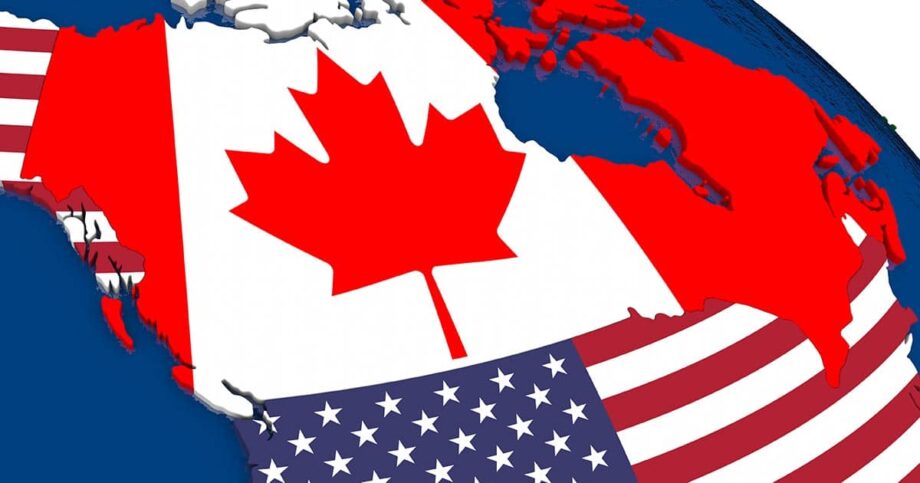
How to Move to Canada from the US
How to Move to Canada from the US: A Comprehensive Guide
Introduction
Canada is consistently ranked among the top countries in the world for quality of life, safety, healthcare, and education. For U.S. citizens, moving to Canada may be easier than for many other nationalities due to the close geographic proximity, strong diplomatic ties, and shared cultural values between the two nations. Whether you're seeking new professional opportunities, a more relaxed lifestyle, or an internationally renowned education system, Canada presents a wide range of immigration options for Americans.
This guide explores the key steps, visa types, eligibility requirements, and settlement tips for moving to Canada from the United States.
1. Why Americans Move to Canada: How to Move to Canada from the US
Thousands of Americans relocate to Canada each year. Popular reasons include:
-
High quality of life and social safety nets
-
Universal healthcare
-
Strong public education system
-
Multicultural, inclusive society
-
Lower cost of higher education
-
Stable economy and job opportunities
-
Proximity to family and U.S. travel ease
Many Americans find the Canadian lifestyle to be similar, but often more community-oriented and affordable in certain regions.
2. Entry Without a Visa: How to Move to Canada from the US
U.S. citizens do not need a visa to visit Canada for up to six months. A valid U.S. passport is sufficient for tourism or short business visits. However, this does not allow you to work, study, or stay permanently. For those purposes, you'll need to apply through the appropriate immigration channels.
3. Permanent Residency Options
Becoming a permanent resident (PR) in Canada is the first major step toward settling in the country long-term. Once you receive PR status, you can live and work anywhere in Canada, access public healthcare, and eventually apply for citizenship.
1. Express Entry System
The most popular and fastest route for skilled workers is the Express Entry system. It is used to manage applications for:
-
Federal Skilled Worker Program (FSWP)
-
Federal Skilled Trades Program (FSTP)
-
Canadian Experience Class (CEC)
You must create an online profile and are ranked on the Comprehensive Ranking System (CRS) based on age, education, language ability, work experience, and adaptability.
Advantages for Americans:
-
High English proficiency gives a scoring edge
-
U.S. work experience is often well-recognized
-
Quick processing (as little as 6–8 months)
2. Provincial Nominee Program (PNP): How to Move to Canada from the US
Each Canadian province (except Quebec) operates its own immigration streams under the PNP. If you have a job offer or wish to settle in a specific province, you can apply through that province’s program.
Examples include:
-
Ontario Immigrant Nominee Program (OINP)
-
British Columbia PNP (BCPNP)
-
Alberta Advantage Immigration Program (AAIP)
If nominated, you receive additional points toward Express Entry or apply directly for PR.

3. Family Sponsorship: How to Move to Canada from the US
If you have close relatives who are Canadian citizens or permanent residents, they may be able to sponsor you for immigration.
Eligible sponsors include:
-
Spouses or common-law partners
-
Parents and grandparents
-
Dependent children
-
Some extended family in rare cases
The sponsor must commit to financially supporting you during your initial settlement period.
4. Startup Visa Program
If you’re an entrepreneur with an innovative business idea and support from a Canadian venture capital firm or incubator, the Start-Up Visa Program offers a pathway to PR.
Requirements:
-
Qualifying business plan
-
Letter of support from a designated organization
-
English/French language skills
-
Sufficient settlement funds
5. Self-Employed Persons Program
You may qualify as a self-employed person if you:
-
Have experience in cultural activities or athletics
-
Intend to make a significant contribution to Canadian life
-
Meet selection criteria including education and work history
4. Temporary Residency: Work and Study: How to Move to Canada from the US
If you're not ready for permanent residency, you may consider temporary immigration pathways, which often lead to PR.
1. Work Permit
To work in Canada temporarily, you typically need a job offer and a Labour Market Impact Assessment (LMIA) showing no Canadian was available for the role. Some permits are LMIA-exempt under international agreements like:
-
CUSMA (formerly NAFTA) — special provisions for Americans
-
Intra-company transfers
-
Open work permits for spouses of skilled workers
You can apply for PR through Express Entry once you gain Canadian work experience.
2. Study Permit: How to Move to Canada from the US
Canada is home to globally recognized universities and colleges. As an American, you can apply for a study permit if you:
-
Have an acceptance letter from a designated learning institution (DLI)
-
Show proof of funds
-
Submit biometric data and medical exams (if required)
Many students stay in Canada after graduation through the Post-Graduation Work Permit Program (PGWP), which can lead to permanent residency.
5. Moving to Canada as a Retiree
Canada does not have a specific retirement visa, but U.S. retirees may move to Canada if:
-
They are sponsored by family
-
They obtain PR through a skilled worker stream
-
They invest in a business or qualify under other categories
Short visits of up to 6 months are allowed without a visa. For longer stays, retirees must meet immigration criteria or renew visitor status periodically.
6. Canadian Citizenship
Once you become a permanent resident, you can apply for Canadian citizenship after:
-
3 years (1,095 days) of physical presence in Canada within a 5-year period
-
Filing Canadian income taxes for at least 3 years
-
Passing a citizenship test and interview
-
Demonstrating adequate language skills in English or French
Canada allows dual citizenship, so you don’t have to renounce your U.S. citizenship.

7. Taxes and Financial Planning: How to Move to Canada from the US
Moving to Canada has financial implications that must be planned carefully.
1. Dual Taxation
Canada and the U.S. have a tax treaty to prevent double taxation. However, U.S. citizens must file a U.S. tax return even if living abroad. You may also have to file Canadian taxes on worldwide income once you're a resident.
2. Retirement Accounts
Retirement funds like IRAs and 401(k)s can be kept, but withdrawals may be taxed differently. Consult a cross-border tax advisor.
3. Health Insurance
Canada has universal public healthcare, but it is provincial. New residents often wait up to 3 months for coverage, so temporary private insurance is recommended.
8. Housing and Cost of Living
Where to Live
Top destinations for Americans include:
-
Toronto – diverse and dynamic, major financial and tech center
-
Vancouver – beautiful, mild climate, strong economy
-
Montreal – cultural hub with lower costs (French required)
-
Calgary and Edmonton – resource-driven cities with high wages
-
Ottawa – political capital with excellent quality of life
-
Atlantic Canada – lower costs, slower pace, scenic surroundings
Renting vs. Buying
-
Renting is common for newcomers. Lease terms usually require a year’s commitment.
-
Buying property in Canada is possible for non-residents, though some provinces restrict foreign ownership.
Cost of living varies by region, with Toronto and Vancouver among the most expensive cities.
9. Healthcare and Social Services
Canada’s universal healthcare system is government-funded and mostly free at the point of care. However:
-
New PRs must wait up to 3 months for coverage depending on the province
-
Prescription drugs and dental care are not always covered
Americans often find Canadian healthcare more accessible and affordable, although wait times for specialists can be longer than in the U.S.
10. Culture, Laws, and Integration: How to Move to Canada from the US
Canada and the U.S. share many similarities, but there are notable cultural and legal differences.
Cultural Highlights:
-
Greater emphasis on multiculturalism and bilingualism
-
Stronger gun control laws
-
Polite communication style
-
A parliamentary democracy rather than a presidential system
-
Public holidays and sports differ slightly (e.g., Thanksgiving in October)
Americans are usually welcomed warmly and find it easy to adjust. Still, taking the time to understand local customs, values, and legal expectations helps with successful integration.
11. Required Documents Checklist: How to Move to Canada from the US
To immigrate to Canada, you may need:
-
Valid U.S. passport
-
Educational credential assessments (ECA)
-
Language test results (IELTS or CELPIP)
-
Proof of funds
-
Medical examination
-
Police clearance certificate
-
Job offer or sponsorship (if applicable)
-
Completed application forms and fees
Make sure all documents are accurate and updated.
12. Working with Immigration Professionals
While it’s possible to complete the immigration process yourself, many choose to work with:
-
Immigration lawyers
-
Regulated Canadian Immigration Consultants (RCICs)
These professionals can assist with complex cases, appeals, or business immigration strategies.
13. Common Mistakes to Avoid : How to Move to Canada from the US
-
Underestimating processing times or costs
-
Submitting incomplete applications
-
Assuming that a tourist visa permits work or study
-
Not planning for health insurance in the interim
-
Ignoring provincial nomination opportunities
Proper planning and up-to-date information are critical to success.
Conclusion
Moving to Canada from the United States is a significant life decision that opens the door to a more balanced lifestyle, world-class services, and new opportunities. Whether you're looking to settle permanently, explore a career shift, pursue education, or join family, there are many pathways available for Americans.
With a clear understanding of immigration streams, financial planning, legal requirements, and cultural nuances, the journey from the U.S. to Canada can be smooth and rewarding. Canada welcomes those who are ready to contribute, grow, and become part of a diverse, forward-thinking society.
In case, if you need legal help and more information about How to Move to Canada from the US, please fill in application below or contact us directly.